
Eliminating Stubborn Post-Construction Dust
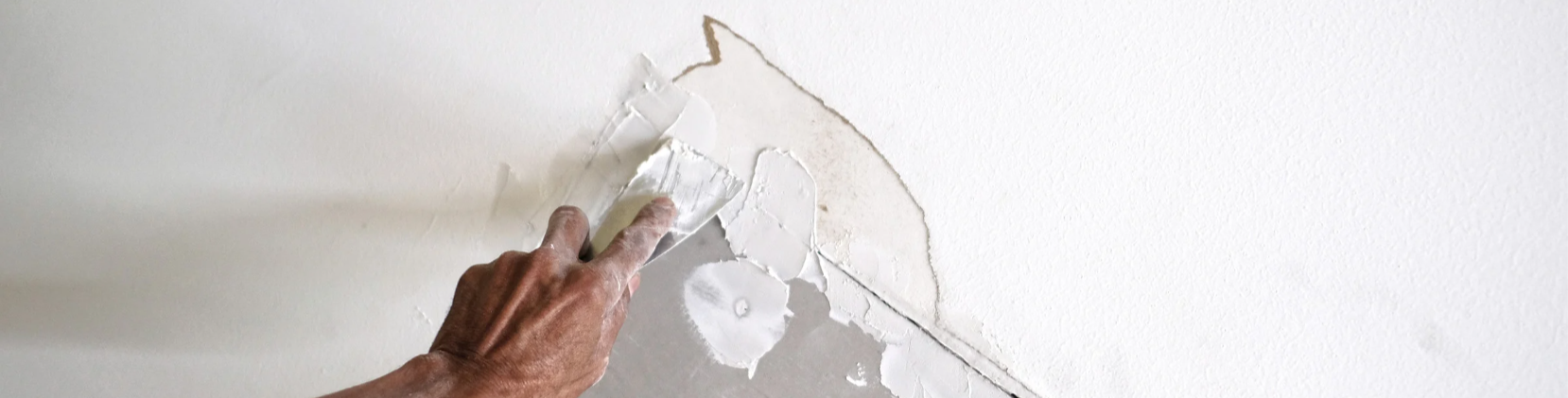
Post-construction cleanup is often viewed as a simple deep clean, but it involves battling a unique and frustrating contaminant: drywall dust. This substance is a microscopic, highly alkaline compound that is visible everywhere, clumping on stair treads, tracking across floors, and coating every fixture in a fine, stubborn film.
For Property Managers, Facility Managers, and Homeowners overseeing a renovation in Greensboro, a failed cleanup means tenant complaints, chronic re-dusting, and a final walkthrough that feels unfinished.
This authoritative guide breaks down the essential two-stage protocol required to eliminate this pervasive dust entirely, ensuring a clean, safe space that is truly "back to par."
Why Drywall Dust Lingers
Drywall dust is primarily composed of gypsum and silica. It is lightweight and electrostatic, meaning it penetrates and clings to surfaces where regular cleaning cannot reach.
HVAC System Threat: The microscopic particles easily bypass standard residential air filters and settle directly onto the evaporator coils and inside the ductwork. When the system runs, it circulates the dust, potentially causing long-term mechanical damage and chronic air quality issues.
Surface Damage & Clumping: Due to its alkalinity, when drywall dust mixes with moisture (like a damp mop, or humidity), it turns into a messy, difficult-to-remove paste. This is what causes stubborn white stains on non-porous surfaces and hard-to-clean clumps.
Chronic Dusting: If the protocol is not followed correctly, the dust trapped in ceilings, fixtures, and ducts will continuously settle for months, leading to repeated complaints and homeowner frustration.
Step 1: The Dry Removal
The biggest mistake in construction cleanup is introducing water or moisture too early. Water turns drywall dust into a messy, streaky paste that is nearly impossible to remove from non-porous surfaces. The removal must start dry.
1. High-Efficiency Particulate Air (HEPA) Vacuuming
Tool Mandate: Standard vacuums are forbidden. Their filters cannot trap the micron-sized drywall dust, simply blowing it back into the air. Only use vacuums equipped with a certified HEPA filter.
The Approach: Vacuum all horizontal surfaces (floors, countertops, cabinets, window sills) and vertical surfaces (walls, baseboards) using soft-bristle attachments. Pay special attention to corners and stair treads where dust clumps accumulate. The goal is to safely suck up the bulk of the contaminant.
2. Air System Purge
Vent Cleaning: Remove all HVAC vent covers and thoroughly vacuum the interior of the duct opening using a brush attachment.
Filter Change: Replace the old, clogged filters with a high-MERV filter (MERV 11 or higher) designed for fine particle capture.
Air Scrubbers: For large jobs, running professional HEPA air scrubbers for 24-48 hours before, during, and after the cleaning process is mandatory to capture airborne particles.
3. High-Reach Dusting
Use high-quality microfiber cloths (which use friction and static to trap dust) or specialized dusting wands to clear ceilings, light fixtures, and wall-mounted items. Never use a traditional feather duster, which only relocates the particles.
Step 2: The Wet Wipe
Once 95% of the dust is removed via dry methods, you can safely introduce liquid.
1. The Two-Bucket System for Floors
To prevent redepositing contaminated water back onto the floor, a two-bucket system is essential:
Bucket A (Clean): Contains a solution of warm water and a neutral pH cleaner.
Bucket B (Rinse): Contains clean water for rinsing the mop/cloth after use.
The Technique: Dip the mop in Bucket A, clean a small area, then rinse the dirty mop water in Bucket B. This ensures you are always applying clean solution to the floor.
2. Window and Glass Detailing
Windows require a precise, lint-free technique to remove the fine gypsum film without streaking:
Initial Wipe: Use a damp, clean microfiber cloth with a mild ammonia-free glass cleaner to remove the haze.
Second Wipe: Immediately follow with a dry, lint-free cloth or paper towel to polish and prevent streaks before the solution dries.
3. Cabinet and Appliance Interiors
Drywall dust penetrates every crack.
Wipe-Down: Wipe down all shelves, drawers, and cabinet interiors with a damp microfiber cloth, followed by a dry cloth.
Appliance Check: Open and wipe down all interior surfaces of appliances (refrigerators, dishwashers, oven interiors) which often contain settling dust from installation.
The KOSMOS Standard: Restoring Your Space
Executing this two-stage, multi-tool process ensures you don't just "clean" a space, but fully decontaminate it. For new tenants, facility occupants, or homeowners seeking to get their house truly "back to par" after construction, this guarantees a clean slate, free from the lingering frustration and liability of construction dust.
If you require a certified, HEPA-equipped team for your next renovation project in the Triad area, trust the KOSMOS standard to deliver compliance and clarity.
