
Eliminating Pet and Smoke Odors Without Perfume
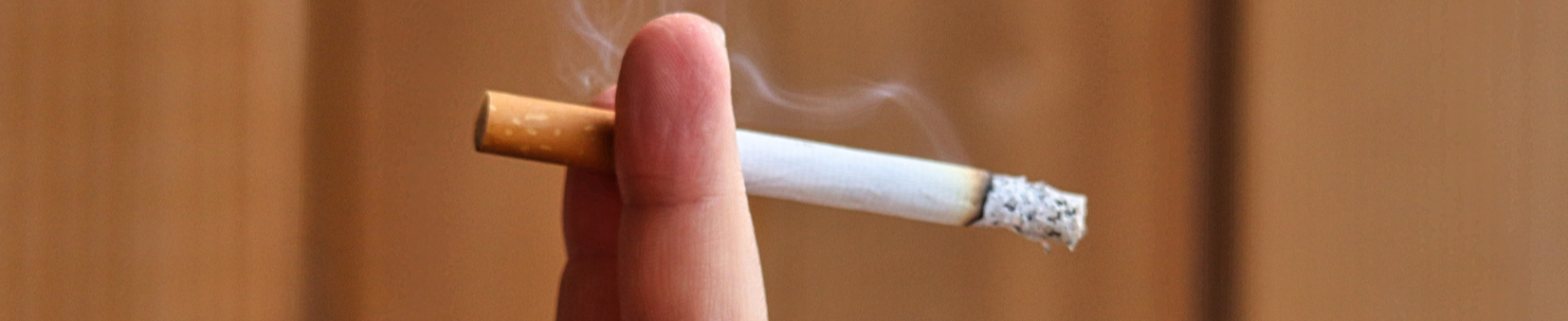
For Real Estate Agents, Property Managers, and Home Sellers in Greensboro, the "smell test" is the first and most critical hurdle of any showing. Smell is the sense most strongly tied to memory and emotion. A buyer can overlook a dated paint color, but they cannot overlook the smell of stale smoke or pet urine. It signals "neglect" to the brain instantly.
Masking these odors with heavy perfumes or plug-ins is a mistake. Buyers are smart, they know a vanilla candle is often hiding a wet dog. To truly secure a sale and protect your appraisal value, you don't need a cover-up, you need to neutralize the smell.
This guide breaks down the science of why odors linger and the professional protocol required to eliminate them permanently.
The Economics of Odor: Why You Can't Afford to Ignore It
The "Nose Blind" Phenomenon
Homeowners often cannot smell their own home. This is called olfactory adaptation. The brain filters out constant background scents to focus on new threats. For a Real Estate Agent, having the "awkward conversation" about odor is necessary because the seller literally doesn't know the problem exists.
The Financial Impact
According to the National Association of Realtors, significant odors (smoke, pets, dampness) can reduce a home's final selling price by 5% to 15%. On a $400,000 home, that is a loss of $20,000 to $60,000—far more than the cost of professional remediation. A bad smell also extends the "days on market" average, making the listing stale.
The Science of Neutralization: Why Standard Cleaning Fails
To remove an odor, you must remove the source molecule. Standard cleaning often fails because it treats the surface, not the substrate.
1. Pet Urine: The Crystal Problem
The Science: Urine is not just a liquid; it contains uric acid crystals. When these dry, they bond to carpet padding and subfloors. High humidity (common in the Triad) reactivates these crystals, releasing ammonia gas.
The Failure: Steam cleaning without proper extraction can actually worsen the smell by adding moisture and heat, which feeds the bacteria.
The Solution: Professional Enzymatic Digesters and Sub-Surface Extraction. We use specialized enzymes that literally "eat" the uric acid crystals, destroying the source of the gas.
2. Tobacco Smoke: The Sticky Film
The Science: Third-hand smoke is an oily, sticky, yellow film (tar) that coats every vertical and horizontal surface, including inside HVAC ducts. It off-gases toxic compounds for months or years.
The Failure: Painting over smoke-stained walls without proper prep will fail. The tar bleeds through standard primer, and the smell returns.
The Solution: TSP (Trisodium Phosphate) Washing to degrease walls before sealing, followed by a specialized odor-blocking primer.
3. Cooking Grease: The Ceiling Trap
The Science: Airborne grease particles from years of frying settle on upper cabinets and, critically, the ceiling.
The Failure: Most cleaners miss the ceiling entirely.
The Solution: High-alkaline degreasing of all vertical surfaces and ceilings to strip the rancid oil film.
The "Open House Ready" Steps To Success
If you are listing a home with a known odor issue, this is the professional checklist to reset the environment. This protocol is designed to address the specific areas where odors hide and ensure a neutral, welcoming atmosphere for potential buyers.
1. The Fabric Reset (Soft Surfaces)
Soft surfaces act as massive odor sponges. Drapes, upholstery, and carpets can hold up to 80% of a room's odor profile.
Carpets & Rugs: Standard vacuuming is insufficient. All carpets must be professionally hot-water extracted. This process injects hot cleaning solution deep into the fibers and then powerfully extracts it along with the dissolved dirt and odor particles. For pet odors, a pre-treatment with an enzymatic cleaner is mandatory to break down uric acid crystals in the padding.
Window Treatments: Drapes and heavy curtains trap smoke and cooking grease. They should be taken down and professionally dry cleaned or laundered. If they cannot be cleaned, they should be removed entirely for the duration of the listing to eliminate the odor source.
Upholstery: If furniture is remaining for staging, it must be steam cleaned or treated with a fabric-safe odor neutralizer.
2. The Wall and Ceiling Wash
Odor molecules cling tenaciously to paint, especially flat or matte finishes.
Degreasing Wash: Before any painting occurs, walls must be washed with a heavy-duty degreasing agent or a TSP (Trisodium Phosphate) substitute. This strips the oily film of smoke or grease that traps odor.
Sealing: If the odor is smoke-related, simply painting over it will fail. The walls must be sealed with a specialized odor-blocking primer (such as an oil-based or shellac-based primer) to permanently lock in the remaining odor molecules before the final coat of paint is applied.
Don't Forget Ceilings: Smoke rises. Ceilings are often the most contaminated surfaces in a smoker's home and must be treated with the same rigor as the walls.
3. The HVAC Factor
If the air filter and return ducts are dirty, the HVAC system circulates the odor every time it kicks on, re-contaminating the clean room within minutes.
Filter Replacement: Replace all filters with high-MERV rated filters (MERV 11 or 13) designed to trap finer particles like smoke and pet dander.
Vent Cleaning: Vacuum out all accessible intake and supply vents. In severe cases of smoke damage, professional duct cleaning may be required to remove the tar buildup inside the metal ductwork.
Coil Cleaning: Ensure the evaporator coils are clean, as mold and mildew can build up here and distribute a musty smell throughout the home.
4. Advanced Technology: Hydroxyl vs. Ozone
For severe, persistent odors that survive cleaning, professional machines are used to alter the chemical structure of the air itself.
Ozone Generators: Highly effective but cannot be used in occupied spaces. Ozone (O3) is a lung irritant and can damage rubber, plants, and artwork. It is best used in empty homes between tenants or before moving in.
Hydroxyl Generators: The modern standard for occupied homes. They use UV light to create hydroxyl radicals that naturally scrub the air and surfaces. They are safe for people, pets, and plants, making them ideal for prepping a home while the sellers are still living there.
Secure Your Sale: Don't Let Odor Kill the Deal
A clean home should smell like nothing. If you are an Agent listing a challenging property, or a Seller worried about "nose blindness," trust the science of neutralization.
We provide specialized Odor Neutralization Assessments and deep cleaning services designed to protect your equity and ensure your open house is memorable for the right reasons.
